
Some neighborhoods naturally pull us outside.
We walk to grab coffee instead of driving. We run into neighbors while walking the dog. We linger a little longer outside at sunset because the streets feel calm enough to enjoy slowly.
That kind of daily life has started feeling like a luxury.
For years, luxury was mostly defined by larger homes, bigger kitchens, and upgraded finishes. Those things still matter, but more home buyers now drawn toward neighborhoods that simply feel easier to live in.
Walkable streets change the rhythm of a day in small ways that quietly add up over time.
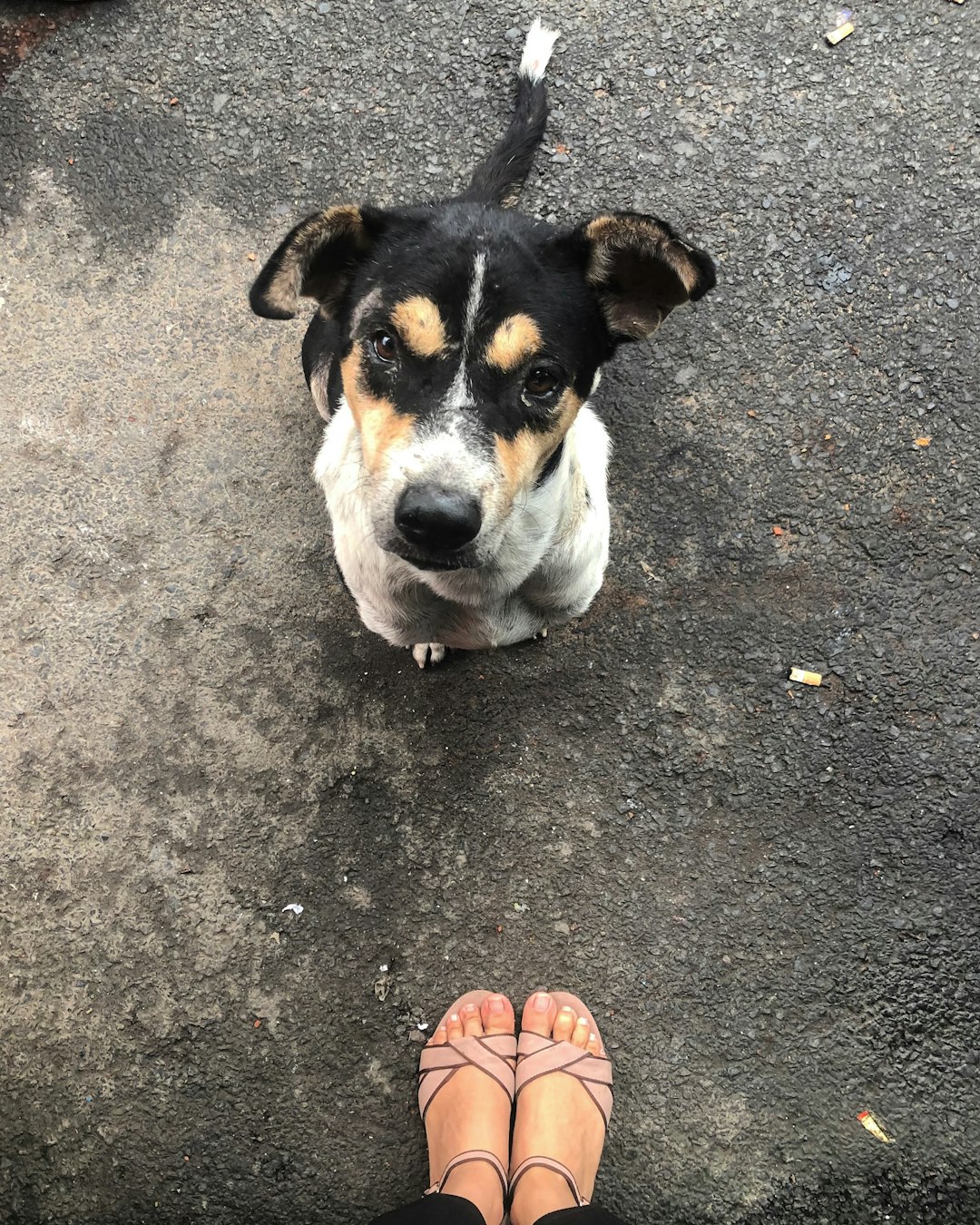
Errands feel less stressful. Evening walks become routine instead of something we have to plan. We notice front gardens, open windows, sprinklers running at dusk, dogs watching the neighborhood from behind gates.
Life extends slightly beyond the walls of the house.
Walkable neighborhoods often create more natural connection between people without forcing it. We recognize familiar faces at the coffee shop. We wave to the same neighbors during evening walks. Local businesses start becoming part of our routine instead of places we drive in and out of quickly.
The neighborhood begins feeling familiar in a very personal way.
Walkable streets also tend to slow the atmosphere of a neighborhood down. Cars move slower. Neighbors spend more time outside. Streets feel active without feeling hectic.
That balance is surprisingly hard to find.
While large homes and impressive upgrades still attract attention, home buyers are increasingly searching neighborhoods where daily life simply feels more comfortable.
Places where we naturally walk more.
See neighbors more.
Spend more time outside.
Feel more connected to the community around us.
That quieter kind of luxury often ends up shaping daily life far more than square footage ever does.
Warmly,

Salty Dog Real Estate Group
A quieter look at homes, neighborhoods, and the way people live.
